Polyembryony and Polyembryony Examples

Polyembryony and Polyembryony Examples | Asterisk Classes Polyembryony and Polyembryony Examples A Complete Guide for NEET, JEE, and Class 12 Students Polyembryony is a fascinating biological phenomenon where multiple embryos develop from a single fertilized egg or seed. This process is observed in both plants and animals, leading to genetically identical or varied offspring. In … Read more

What is Apomixis and What is Its Importance?

What is Apomixis and What is Its Importance?

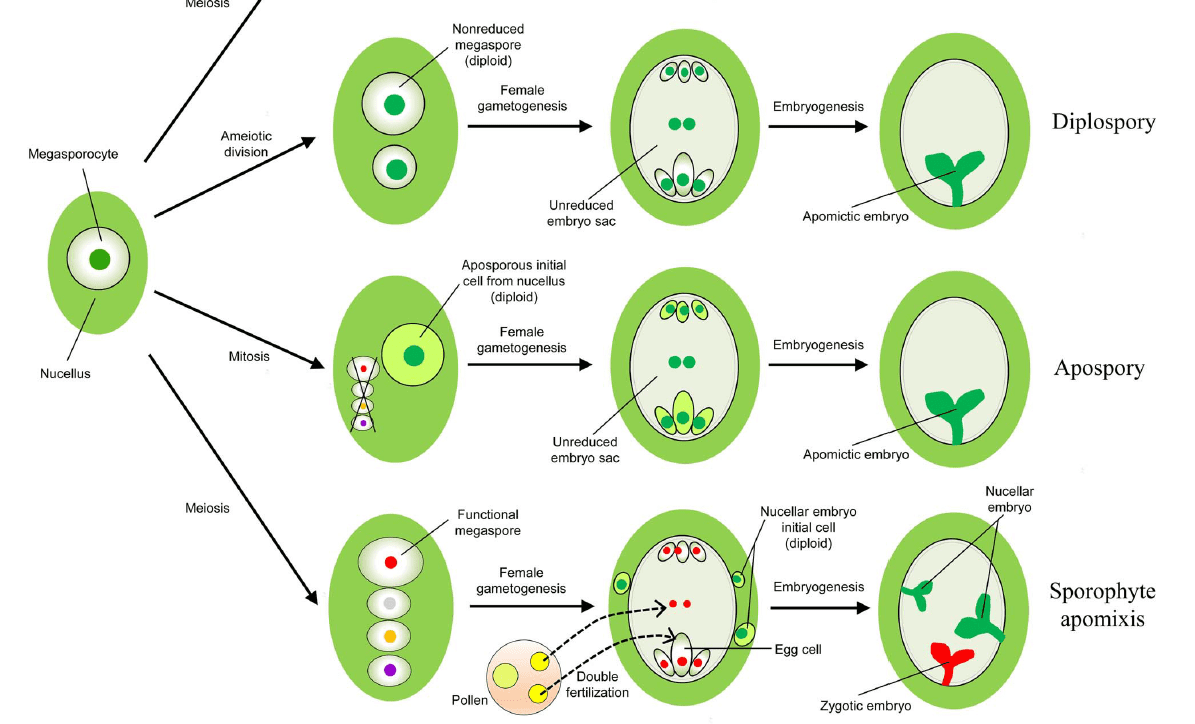
What is Apomixis and What is Its Importance? | Asterisk Classes What is Apomixis and What is Its Importance? A Complete Guide for NEET, JEE, and Class 12 Students Apomixis is a fascinating phenomenon in plant reproduction where seeds are produced without fertilization. Unlike sexual reproduction, apomixis allows plants to create genetically identical offspring, essentially … Read more

Pteridophyta: Characteristics, Types, and Economic Importance

Pteridophytes, commonly known as ferns and their relatives, are the first group of vascular plants to have evolved. In this blog post, we will explore their distinct features, classification, and their significance in nature and human use. Characteristic Features of Pteridophyta Here are the 10 key features of pteridophytes: Types of Pteridophyta Pteridophytes can be … Read more

Bryophyta: Characteristics, Types, and Economic Importance

Bryophytes, commonly known as non-vascular plants, represent a key stage in plant evolution, serving as the transition from aquatic to terrestrial environments. In this blog post, we will explore their distinctive features, classification, and their significance in ecosystems. Characteristic Features of Bryophyta Bryophytes are primitive land plants that include mosses, liverworts, and hornworts. Some of … Read more

Classification of Plants (with Alternation of Generation)

Classification of Plants:Plants can be classified into various groups based on their structure, reproduction, and habitat. One important aspect of plant life is alternation of generations, a life cycle pattern in which plants alternate between two phases: a haploid gametophyte stage and a diploid sporophyte stage. 1. Cryptogams (Non-Flowering Plants) These plants do not produce … Read more

Most important events in Pollen-Pistil interactions in Angiosperms

pollen-pistil interactions

Pollen-pistil interactions encompass the complex series of events that occur after pollination and lead to successful fertilization in flowering plants. This process involves the recognition and communication between pollen (male gametophyte) and the pistil (female reproductive organ), culminating in the delivery of sperm cells to the ovule for fertilization Pollen-Pistil interactions These interactions ensure species-specific … Read more

5 Important Out breeding devices in Angiospermic Plants

out breeding devices

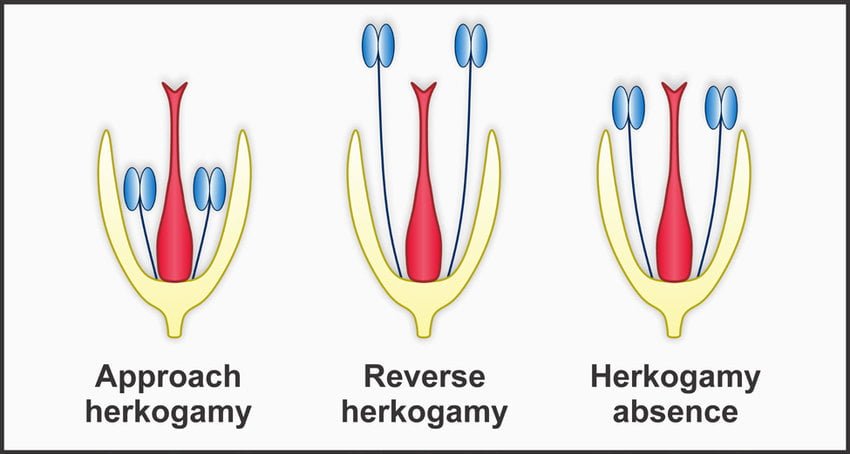
Out breeding devices are mechanisms or adaptations that promote cross-pollination in flowering plants, helping to maintain genetic diversity and reduce the likelihood of self-pollination (inbreeding). 1. Dichogamy Dichogamy is the temporal separation of male and female reproductive phases within a single flower. By having the anthers and stigma mature at different times, dichogamy minimizes the … Read more

Types of Pollination – agencies, and examples

Types of pollination

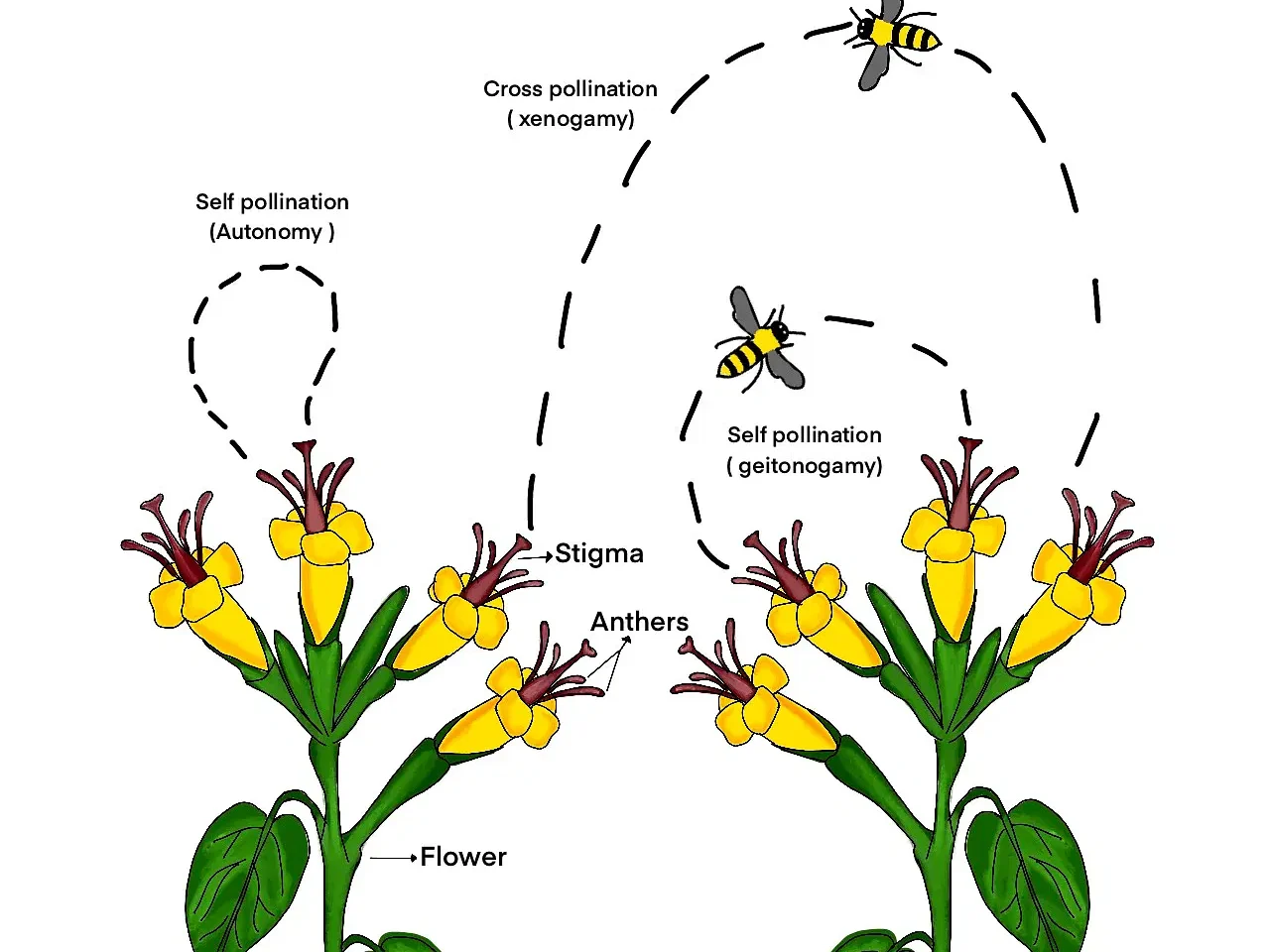
Pollination is a crucial process in the reproductive cycle of flowering plants (angiosperms), involving the transfer of pollen from the male part (anther) to the female part (stigma) of a flower, leading to fertilization. The types of pollination, the various pollination agencies, and examples of each type are outlined below. Types of Pollination: Pollination can … Read more